


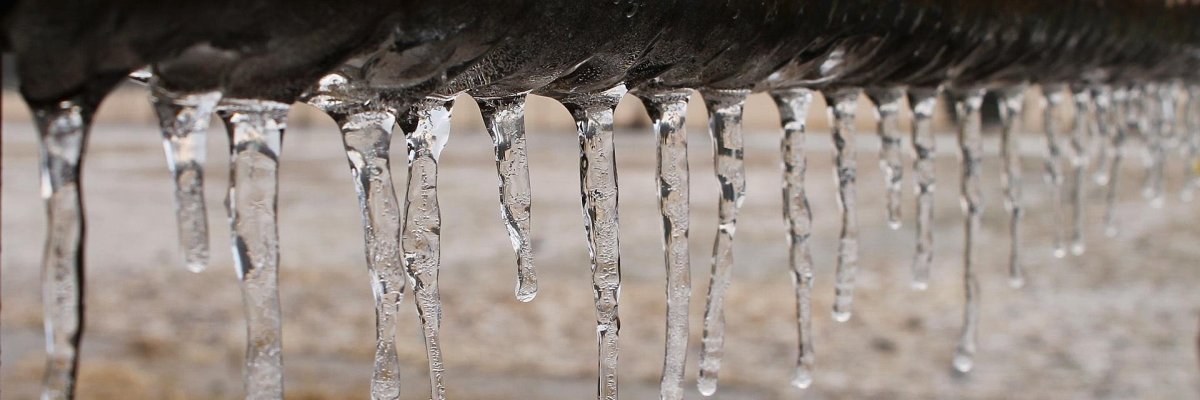
How to Avoid Burst Pipes in the Winter
You can reduce the risk of a burst pipe in the winter by insulating your pipes, letting outdoor faucets drip, and disconnecting any outdoor attachments. However, if a frozen pipe is already cracked, call for emergency services immediately.
The risk of getting frozen pipes increases once temperatures fall below -1°C. With many Ontario regions dipping to -4°C to -18°C in the winter, it’s no surprise that burst pipes are so common. A single incident can easily release hundreds of litres of water. If left unmanaged, it can lead to electrical hazards, structural damage, water damage, and mould growth.
Although you can’t control the weather, you can reduce the risks with a few simple winter precautions. Here’s how to avoid burst pipes in winter.
What Causes Burst Pipes in the Winter?
Many homeowners fail to prevent pipes from bursting because they don’t fully understand what causes them in the first place. Pipes explode from water pressure, not the ice itself. In fact, cracks often appear in a different section from the frozen area where the ice formed.
Here are some red flags to look out for:
- Ice expansion inside the pipe. When water freezes, it expands and creates a blockage that stops normal flow.
- Pressure buildup behind the frozen section. With ice blocking the water and left with nowhere to go, pressure increases until the pipe wall gives way.
- Rapid temperature drops during cold weather. Sudden cold snaps in Ontario can freeze exposed plumbing faster than some of its pipes can adapt.
- Pipes in unheated or poorly insulated areas. Runs in basements, crawl spaces, garages, and exterior walls freeze first because they’re not protected from the cold.
- Air leaks and drafts near plumbing. Cold air entering through gaps around windows, doors, or foundation walls can freeze pipe sections even if the rest of the house is warm.
- Aging or weakened pipe materials. Corroded copper, galvanized steel, or thin-walled older plumbing cracks more easily.
- Long periods without indoor heat. Vacant homes, cottages, or commercial units with low thermostats are prone to freeze-ups when temperatures drop overnight.
How to Prevent Burst Pipes in Winter
To prevent frozen pipes from bursting, you should either stop ice from forming or relieve the pressure gradually. Here’s how you can do either:
Insulate Exposed Plumbing in Cold Areas
The first, most important tip is to insulate your pipes in basements, crawl spaces, garages, and exterior walls, among other areas where heat dissipates quickly. You can use foam pipe sleeves or fibreglass insulation. Also, pay attention to areas most susceptible to cold air and cracking, e.g., valves, joints, and elbows.
Source: Unsplash
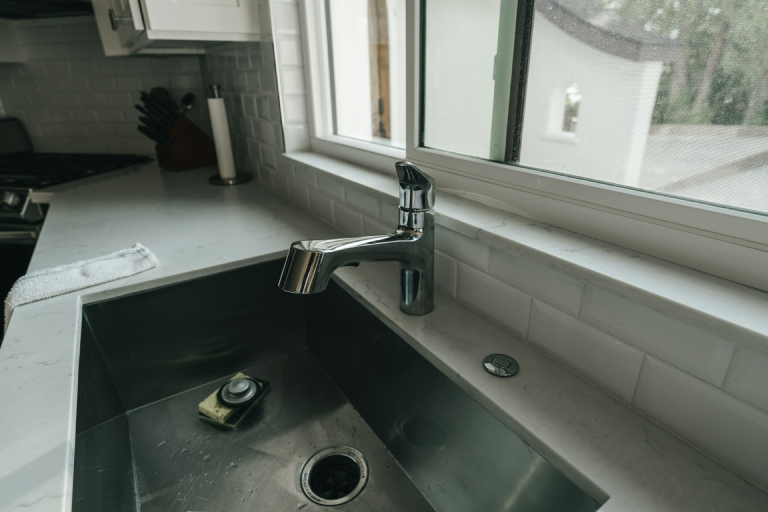
Let Faucets Drip During Extreme Cold
Dripping relieves pressure behind frozen sections. Only a trickle is needed to keep ice from forming inside your pipes, so prioritize taps in exposed areas. You don’t have to keep the other faucets running.
Open Cabinet Doors Under Sinks on Exterior Walls
Warm indoor air doesn’t always reach the pipes hidden inside walls. Opening main entry points, such as attic and bathroom cabinet doors, should help heat circulate more effectively and prevent your pipes from freezing. It’s especially important for spaces where doors block airflow.
Note: Follow the opposite rule with outdoor entry points. You should keep your front doors, back doors, and garage doors closed to keep your warm air indoors.
Source: Unsplash
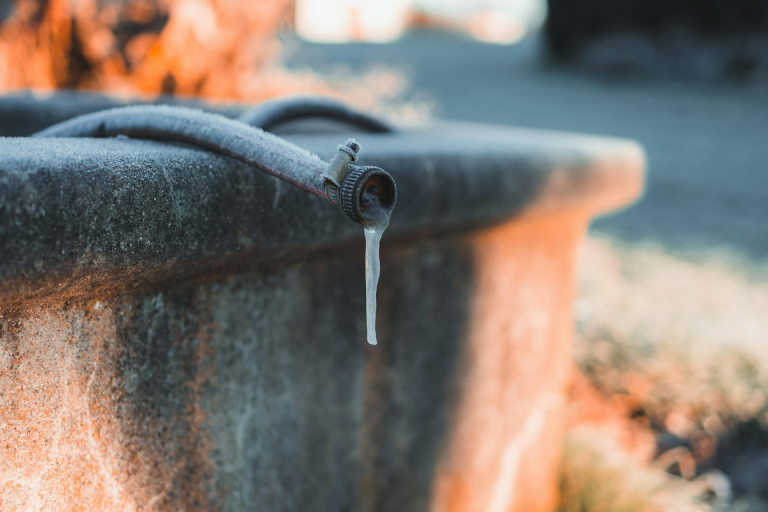
Disconnect and Drain Outdoor Hoses and Shut Off Exterior Lines
Cold water left in hoses or outdoor faucets can freeze and force pressure back into the indoor pipes. To remedy that:
- Drain exterior water supply lines
- Shut off the interior main water valve
- Always disconnect apparatus like hoses
Maintain Indoor Heat During Cold Spells
Keep your thermostat set at 15°C or higher in areas with indoor plumbing. With the winter weather often falling below 0°C, you’ll need better indoor heating to prevent pipes from freezing. Note that this also applies to vacant or seasonal homes.
| Warning: If a pipe stops delivering water or shows frost, bulging, or unusual cold spots, it may already be frozen. You can safely apply heat using hot water, a hair dryer, heat pads, or a portable space heater, but never use open flames.
Don’t thaw frozen pipes with cracks or leaks, as this’ll only add more pressure. In either case, turn off your main shutoff valve and call a plumber for emergency repairs. |
FAQs About How to Prevent Burst Pipes in Winter
How long must the temperature be below freezing for water pipes to burst?
It generally takes six to eight hours of sustained freezing temperatures for uninsulated pipes to freeze fully. However, they won’t burst right away. Even if your pipes are frozen, ice must build up and thaw before pressure starts to build up.
At what temperature should you let your faucets drip?
Let your faucet drip once cold temperatures drop below 0°C. If you keep the water running, the flow will slow down ice formation and relieve pressure inside the pipes. Note that a slow, steady trickle is enough. It’s an especially crucial step for at-risk utilities like outdoor taps, exposed pipes, and plumbing systems in exterior walls.
How likely are pipes to burst in cold weather?
The risk is generally highest when pipes that have frozen begin to thaw, as the pressure can cause the frozen section to crack. However, certain conditions, such as a house with poor insulation, old plumbing, or exposed pipes, face a significantly higher risk of a burst pipe than a modern space with proper insulation.
In Summary
- Pipes begin freezing when temperatures fall below -1°C, and Ontario’s winter lows make burst pipes a common risk.
- Burst pipes occur due to pressure buildup behind frozen sections, not the ice itself.
- Exposed plumbing, rapid temperature fluctuations, drafts, and inadequate insulation significantly increase the likelihood of a break.
- Insulating pipes, dripping faucets during extreme cold, warming cabinet areas, draining outdoor lines, and maintaining indoor heat all help prevent freeze-related damage.
- Frozen pipes don’t always burst immediately; they often fail during the thaw when pressure spikes.
- High-risk homes include older properties, cottages, vacant buildings, and houses with plumbing on exterior walls.
- Simple preventive steps can reduce the risk, but severe freezes, cracks, or leaks require the expertise of professional plumbers.
Protect Your Home From Burst Pipes This Winter With PlumbWize
Don’t wait for frozen pipes to turn into a costly burst. PlumbWize offers thorough winter-ready inspections, insulation upgrades, and fast emergency repairs across Ontario. Our licensed plumbers are available 24/7 to answer the phone and arrive ready to protect your home, before or during a winter crisis.
Call today for a free estimate.

Zak and Jay
OwnerZak and Jay are licensed plumbers proudly serving Burlington, Oakville, and Hamilton areas. With over 20 years of experience each, they specialize in residential and commercial plumbing solutions, including general repairs, drain cleaning, new installations, and 24/7 emergency services. As certified professionals, Zak and Jay are committed to providing reliable, honest, and high-quality workmanship. Their dedication to customer care has earned them a reputation as trusted plumbing experts in the Burlington, Oakville, and Hamilton area.

 0
0 905-332-8222