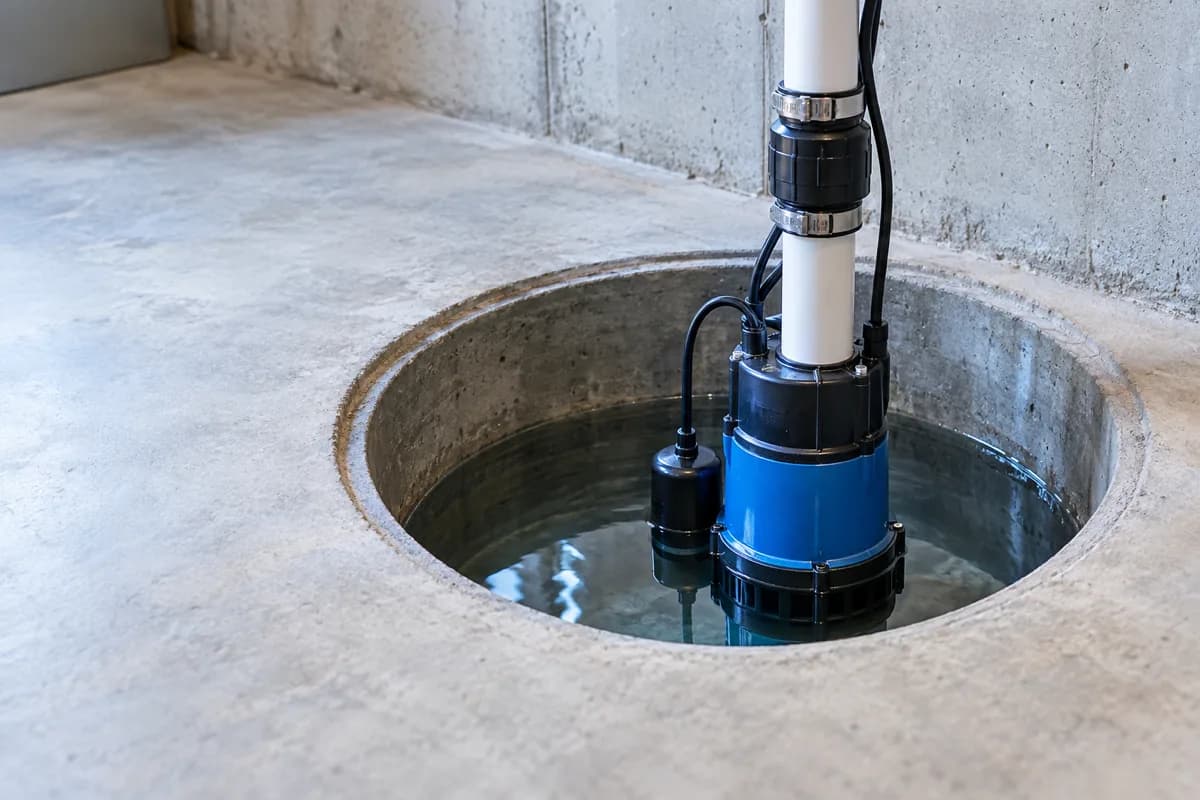
To clean a sump pump, unplug it, remove it from the pit, and clear out debris. Scrub with a diluted vinegar solution, rinse with a garden hose, then reinstall and test the float switch. Repeat every six months, or after heavy rain or snowfall.
Ever notice your sump pump only crosses your mind during a downpour, right when you’re crouched by the basement stairs, hoping it kicks on? Read More
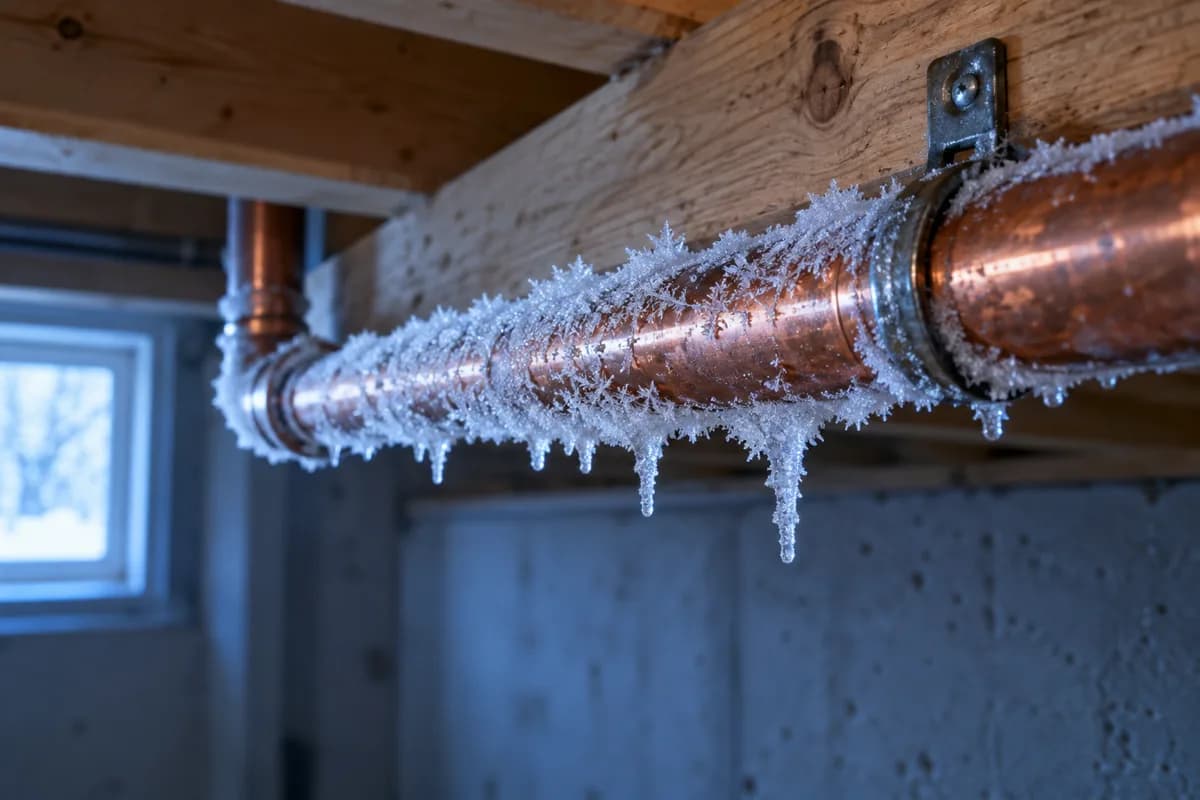
Frozen pipes occur when temperatures drop below 0°C, and trapped water expands as it freezes. Signs include no water flow or frost on exposed pipes. Turn off your main water supply and call a licensed plumber; never use an open flame to thaw.
Winter is upon us, and Ontario homeowners know that freezing temperatures can wreak havoc on water pipes. Read More
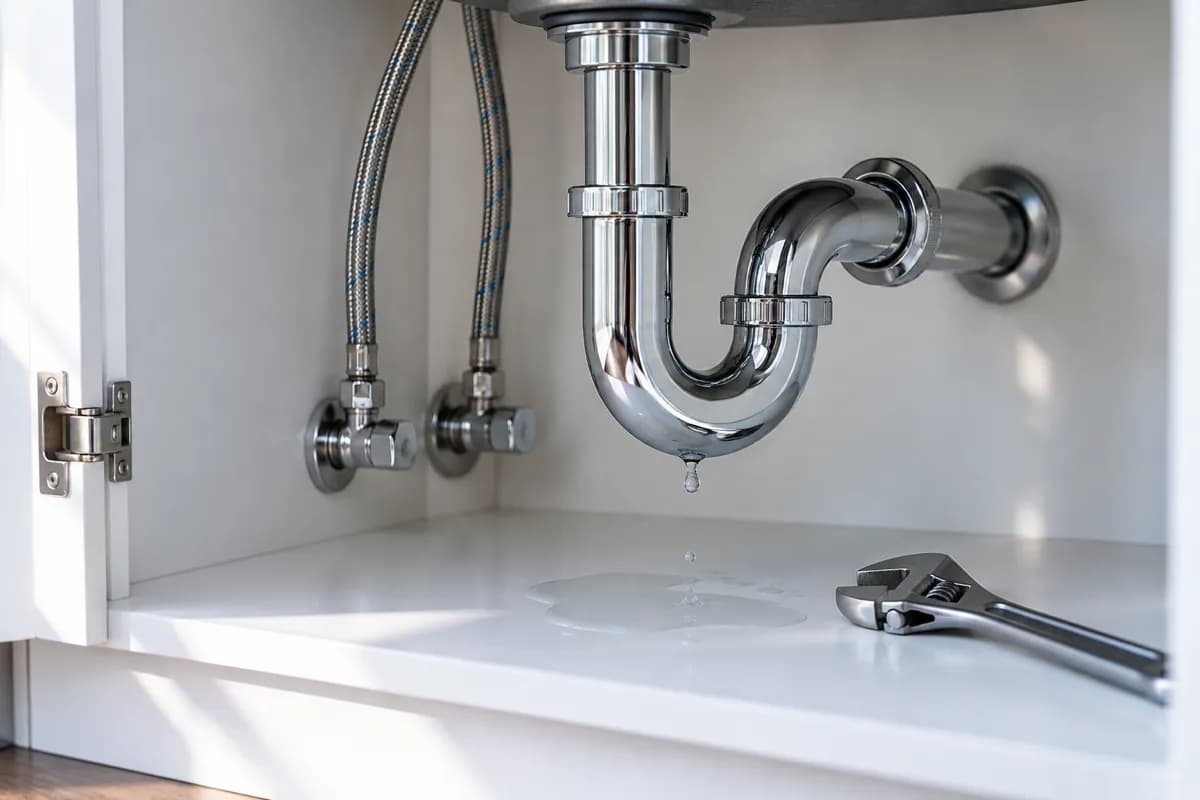
A leaking pipe can be temporarily stopped with a pipe clamp, epoxy putty, self-fusing silicone tape, or a rubber hose clamp. These are emergency repairs only. All pipe leaks require a permanent fix by a licensed plumber to prevent water damage and further pipe failure.
A leaking pipe can be migraine-inducing for any Ontario homeowner. Read More
No hot water in the house is likely due to a water heater fault, tripped circuit breaker, failed pilot light, or sediment buildup. Check your breaker panel and water heater for troubleshooting. If the problem persists or you smell gas, call a licensed plumber immediately.
Hot water not coming out of the tap? We’ve all been there. Read More
Curious how to plumb a double sink? Our guide to double kitchen sinks covers the plumbing configuration, P-trap installation, and drain lines. Learn the right way to connect a sink basin for a watertight seal.
If you’ve been looking to upgrade your single basin sink, your kitchen’s "traffic flow" likely needs an update. Read More