


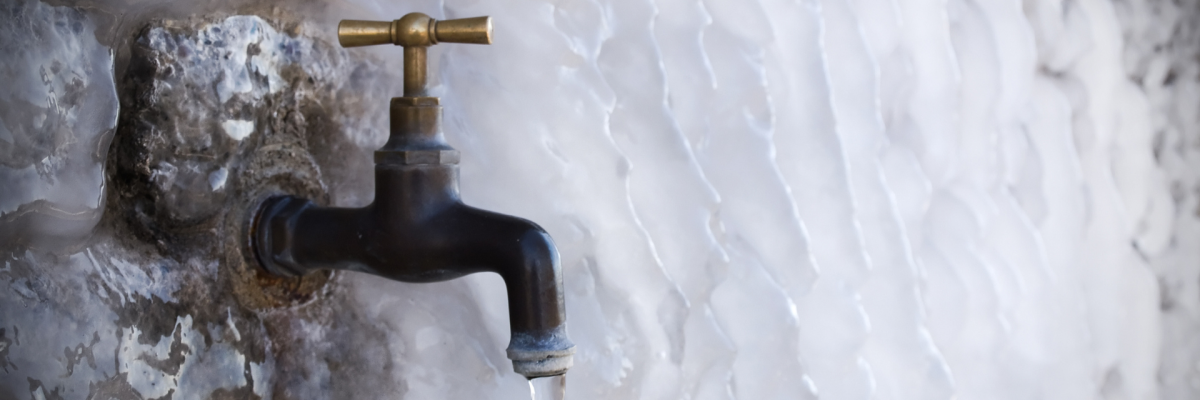
How to Thaw a Frozen Outdoor Faucet
Learn how to thaw a frozen outdoor faucet safely to prevent burst pipes and water damage. Our licensed plumbers offer expert advice on frozen outdoor faucet repair, ensuring your Ontario home remains protected during freezing temperatures.
Winter in Ontario brings a certain magic to our landscape, but it also brings a host of challenges for homeowners. When the temperature drops, your plumbing is often the first thing to feel the chill.
One of the most common issues we see at PlumbWize is a frozen outdoor faucet. While it may not seem like a major concern, a frozen outdoor faucet can lead to significant damage if not handled properly.
As a locally owned and operated business, we understand the unique climate challenges our neighbours face. In this guide, we’ll walk you through how to thaw a frozen fixture safely and, more importantly, how to prevent frozen outdoor faucets from happening again.
Why a Frozen Outdoor Faucet is a Serious Issue
It is easy to think that a bit of ice in an outdoor spigot is no big deal, but water has a sneaky quality: it expands as it freezes. This expansion creates immense pressure within your interior plumbing system, and if the ice has nowhere to go, it can cause the pipe to crack or even lead to burst pipes.
The real trouble often starts when the ice begins to thaw. Once the blockage is gone, running water can seep through those new cracks, leading to a flooded basement and extensive water damage.
Treating a frozen faucet as a priority is the best way to protect your home and prevent potential damage.
What to Do if Your Outside Tap Freezes
If you notice visible frost or a complete lack of running water when you turn the tap, you likely have a frozen spigot. Before you begin the thaw process, remember that professional expertise is always recommended to avoid costly mistakes.
If you feel unsure at any point, our team of experienced and trusted plumbers is available 24/7 to assist you.
1. Locate the Shut-Off Valve
The first step in any frozen outdoor faucet repair is to find the shut-off valve that supplies water to that specific outdoor tap. Located inside the house, this valve is typically found in the basement or crawl space.
Turn it to the shut position to ensure that if the pipe has already cracked, you won’t have a flood once the weather warms.
2. Open the Faucet
Turn the handle of the outdoor spigot to the fully open position. This allows the water inside and any steam created during the thaw process to escape, which relieves the pressure building up inside the connected pipes.
3. Apply Gentle Heat
The keyword here is “gentle.” You should never use a blowtorch or any open flame, as this can start a fire or cause further damage to the hose bib. Instead, try one of these methods:
- Hair Dryer: Set it to a low heat and move it back and forth along the faucet and the pipe for several minutes.
- Heat Tape: Wrap electrical heat tape around the frozen outdoor section to provide consistent warmth.
- Warm Towels: Soak towels in hot water and wrap them around the spigot.
Pro Tip: While you can use hot water on towels, never pour boiling water directly onto a frozen pipe, as the extreme temperature shock can cause it to crack instantly.
Learn more: A Homeowner’s Guide to Frozen Pipes
4. Check for a Leaking Pipe
Once the ice has melted and the water supply is restored, turn the water back on at the valve slowly. Inspect the wall and the interior of the house for any signs of a leak. If you find a dripping faucet, you may need to replace the internal washers or the entire hose bib.
If you notice a leak, you likely need a professional repair to prevent further damage.
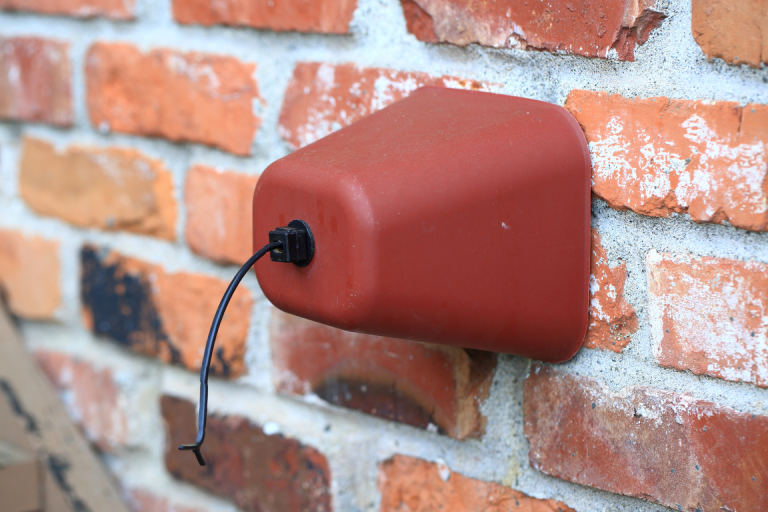
Image Source: Shutterstock
Prevention Tips for the Winter Months
The best way to deal with frozen pipes is to prevent them from freezing in the first place.
As a dedicated service provider in Ontario, we recommend these simple steps every autumn:
- Disconnect Hoses: Never leave a hose attached to the faucet during cold weather. This traps water inside and is the leading cause of a frozen outdoor faucet.
- Drain the Lines: After you shut the indoor valve, open the spigot to drain any remaining water.
- Insulation and Covers: Use covers or other insulation to protect the outdoor faucet from sub-zero temperatures.
- Frost-Free Hose Bib: Consider having a licensed plumber install a frost-free hose bib. This design ensures the valve remains in the heated part of the house, preventing ice buildup during cold snaps.
FAQs About Frozen Outdoor Faucets
Is it safe to use boiling water on a frozen spigot?
How do I know if my outdoor faucet is damaged?
What is the most effective way to prevent my taps from freezing?
When should I call a professional for frozen pipes?
Key Takeaways
- Act quickly to prevent bursts: Expanding ice can crack pipes, so address frozen outdoor faucets immediately.
- Shut off the water supply: Turn off the indoor shut-off valve before starting any repair to prevent flooding.
- Open the spigot: Keep the outdoor faucet fully open to release pressure as ice melts.
- Apply gentle heat: Use a hair dryer on low or heat tape to warm the hose bib gradually and safely.
- Check for leaks: After water flow returns, inspect the faucet and nearby areas for signs of damage.
- Prevent future freezing: Disconnect hoses and consider installing a frost-free hose bib with the assistance of a plumber.
Your Licensed Local Plumbing Partner, Always Ready to Help
At PlumbWize, we offer straightforward service with upfront pricing and no hidden fees. Whether it’s a frozen outdoor faucet or a leaking pipe, our licensed plumbers provide prompt and reliable solutions.
If winter weather may have caused damage, don’t wait for spring to find a burst pipe. Visit our faucet and drain services page or call our 24/7 emergency line for same-day service. Let us take the pressure off your shoulders and your pipes.

Zak and Jay
OwnerZak and Jay are licensed plumbers proudly serving Burlington, Oakville, and Hamilton areas. With over 20 years of experience each, they specialize in residential and commercial plumbing solutions, including general repairs, drain cleaning, new installations, and 24/7 emergency services. As certified professionals, Zak and Jay are committed to providing reliable, honest, and high-quality workmanship. Their dedication to customer care has earned them a reputation as trusted plumbing experts in the Burlington, Oakville, and Hamilton area.

 0
0 905-332-8222