

7 Plumbing Issues Your Plumber Wishes You Knew
Dealing with plumbing issues like clogged drains or leaky pipes? Our team explains why flushable wipes clog pipes and how baking soda and boiling water can help fix your kitchen sink and keep your plumbing system running smoothly.
You’re standing in your bathroom, watching water pool around your ankles, and you realize you have a situation on your hands.
Sound familiar? Plumbing problems often arrive uninvited at the most inconvenient times. Whether it’s a kitchen sink that refuses to drain or a gurgling sound coming from your walls, these plumbing issues can disrupt your day and lead to significant water damage if left unaddressed.
As your local neighbours serving the Greater Hamilton and Halton Area, the team at PlumbWize has seen it all, and we want to help you recognize familiar issues before they become major expenses.
Here are seven things our technicians wish every Ontario homeowner knew to protect their property and save money on repairs.
1. “Flushable” Wipes are a Myth
“Flushable” wipes are, in fact, not flushable or safe for your toilets.
They quickly clog pipes because they don’t break down like standard toilet paper, leading to severe blockages in both city lines and private septic systems.
While they might leave your bathroom, they often create a “fatberg” that can lead to a massive sewage backup. To save yourself from a messy and expensive repair, it’s best to toss these in the trash.
2. Chemical Drain Cleaners Cause Pipe Corrosion
When you notice a slow-draining sink, your first instinct might be to grab a bottle of Drāno or Liquid-Plumr. However, many pros advise against these store-bought drain cleaners because the harsh chemicals can cause pipe corrosion.
Over time, using a chemical sink clog cleaner can erode and weaken the materials of your plumbing system, leading to leaks or even structural damage.
Learn more: How to Fix a Slow-Draining Sink
3. Drain Maintenance is Easier Than You Think
A natural drain cleaner, made from baking soda and vinegar, is an effective way to clear clogged drains without using harsh chemicals or toxins.
To unblock a sink, use a generous amount of baking soda, followed by a generous amount of vinegar. After the fizzing stops, flush the pipes with boiling water to melt away grease, hair, and soap scum buildup.
In the kitchen, avoid letting coffee grounds, food scraps, or cooking fats go down the drain, as these act like glue for other debris.
You do not have to wait for a blockage to care for your pipes. Regular drain maintenance can prevent many common clogs from forming in the first place.
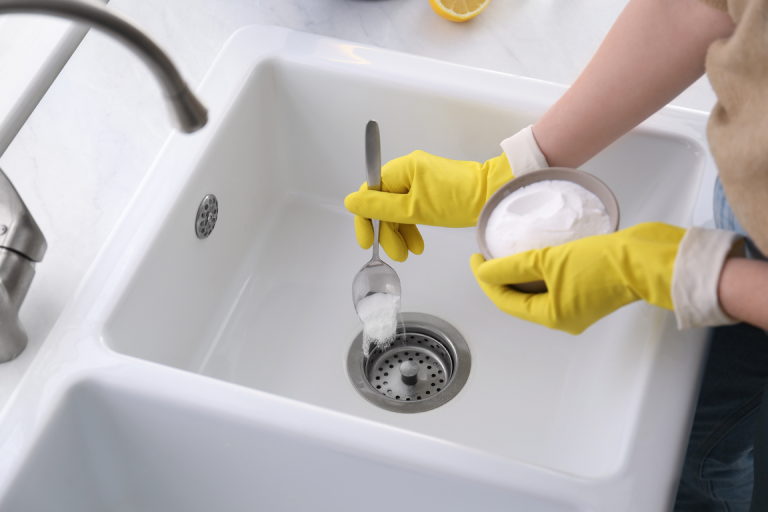
Image Source: Shutterstock
Is there anything baking soda can’t do?
4. Small Leaks Lead to Big Bills
A leaky faucet or a running toilet might seem like a minor annoyance, but they waste a significant amount of water.
If you notice leaks or low water pressure at your faucets, it could be a sign that you have hidden cracks somewhere in your house. A knowledgeable professional can find them.
5. Your Water Heater Needs Annual Attention
Your water heater is the unsung hero of your home, but it’s often neglected until the shower runs ice cold.
Water heater issues often stem from a buildup of sediment in the tank. This sediment forces the unit to work harder, reducing its life and increasing your hydro cost.
We recommend having a professional plumber flush the tank annually to extend its lifespan and ensure proper water flow and consistent heat.
Learn more: 9 Reasons Why Your Hot Water Is Not Working
6. Know Where to Find Your Main Water Shut-Off Valve
In a plumbing emergency, like a burst pipe, every second counts. One of the most important things you can do as a homeowner is locate your main water shut-off valve.
If a pipe fails, being able to turn off the water immediately can mean the difference between a small puddle and thousands of dollars in water damage to your walls.
7. Know When to Skip the DIY Fix
While a plunger or a basic drain snake can fix a simple clog, complex problems require the expertise of an experienced plumber.
Attempting a DIY job on frozen pipes or installing new fixtures without training can lead to plumbing code violations or catastrophic damage.
FAQs About Plumbing Problems
What is the best way to clear a slow sink?
How can I tell if my plumbing is faulty?
Are wipes labelled “flushable” safe for my toilet?
Can boiling water be poured down the drain?
When should I call a plumber instead of attempting to fix the issue myself?
Key Takeaways
- Preventing Pipe Obstructions: Avoid thick “flushable” wipes to protect your sewer lines from massive blockages.
- Natural Cleaning Solutions: Use a mixture of baking soda, vinegar, and boiling water to unclog sinks without damaging pipes safely.
- Addressing Water Leaks: Repair a leaky faucet or a running toilet immediately to prevent wasting water and avoid structural water damage.
- Maintaining Water Heaters: Schedule annual flushing to remove sediment, ensuring consistent hot water and optimal water flow.
- Winterizing Your Property: Protect your own pipes from freezing to avoid the high repair cost associated with burst pipes.
- Choosing Dependable Experts: Rely on a licensed professional plumber for complex plumbing systems rather than risky DIY attempts.
Trusted Plumbing Services in Ontario
PlumbWize is dedicated to being the most comprehensive and knowledgeable plumbers in the province. We provide transparent, upfront quotes with no hidden fees and offer 24/7 emergency plumbing services for those times when you simply cannot wait.
We take pride in being a locally owned and operated business that treats every homeowner like a neighbour.
Do you have a stubborn clog or phantom leaks that need professional attention? Contact PlumbWize today for a reliable and affordable solution.

Zak and Jay
OwnerZak and Jay are licensed plumbers proudly serving Burlington, Oakville, and Hamilton areas. With over 20 years of experience each, they specialize in residential and commercial plumbing solutions, including general repairs, drain cleaning, new installations, and 24/7 emergency services. As certified professionals, Zak and Jay are committed to providing reliable, honest, and high-quality workmanship. Their dedication to customer care has earned them a reputation as trusted plumbing experts in the Burlington, Oakville, and Hamilton area.

 0
0 905-332-8222