


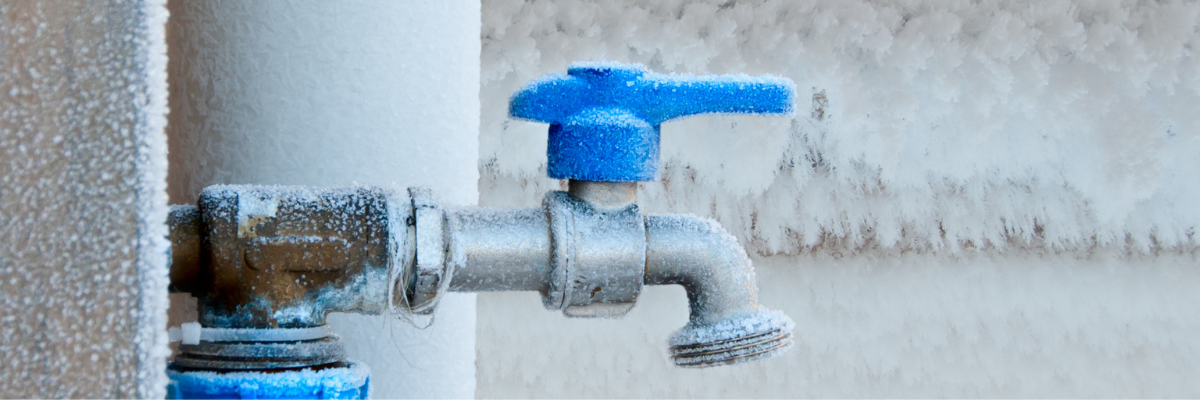
A Homeowner’s Guide to Frozen Pipes
Frozen pipes occur when temperatures drop below 0°C, and trapped water expands as it freezes. Signs include no water flow or frost on exposed pipes. Turn off your main water supply and call a licensed plumber; never use an open flame to thaw.
Winter is upon us, and Ontario homeowners know that freezing temperatures can wreak havoc on water pipes. If you’ve turned on your faucet to find only a trickle or nothing coming out, you may be facing one of the most common winter plumbing problems: frozen pipes in the house.
In Canada, water damage, including burst pipes, is the number one cause of home insurance claims, which can cost homeowners up to $4,200 in repairs. That’s why, for people looking up “frozen pipes, what to do?” the best answer is always prevention, or a call to a fast-responding 24/7 emergency plumber.
But wait, how do you prevent frozen pipes, anyway? You’re in luck, because we have the answers you need. This guide dives into the causes, signs, solutions, and preventative measures for frozen pipes.
| The Science Behind Frozen Pipes |
| What Causes Frozen Pipes?
At What Temperature Do Pipes Freeze in Canada? |
| How to Spot Frozen Water Pipes |
| How to Tell If Pipes Are Frozen
How to Locate Frozen Pipes in Your House 1. Eliminate Exposed Pipes from the List |
| What to Do About Frozen Pipes |
| Should I Turn Off the Water If the Pipes Are Frozen? |
| How to Prevent Pipes From Freezing |
| When to Call a Professional Plumber |
The Science Behind Frozen Pipes
Before we discuss what to do about frozen pipes, let’s cover the factors that drive this common winter plumbing issue.
What Causes Frozen Pipes?
Frozen pipes occur primarily due to low temperatures, but cold weather isn’t the only culprit in this frigid fiasco. Several factors heighten the risk, including:
- Poor insulation
- Cold drafts from gaps around doors, windows, or exterior walls
- Wind chill
- Pipe material (metal pipes, like copper, often freeze faster)
- Stagnant water
At What Temperature Do Pipes Freeze in Canada?
In Canada, pipes begin to freeze when indoor temperatures drop to approximately -4°C, while buried outdoor pipes are typically vulnerable at around -20°C. Both can freeze at higher temperatures (around 0°C) if heating isn’t on or they’re not properly insulated.
Both metal and plastic pipes are vulnerable to freezing, but cold weather can be especially tough for exposed water pipes located outside, in uninsulated attics, basements, crawl spaces, or along exterior walls.
How Long Does It Take for Pipes to Freeze?
On average, it takes approximately 6 hours of exposure to cold temperatures before pipes freeze. But in Canada, several factors, including wind chill, insulation quality, and the specific location of the pipes, can significantly affect this timeframe.
In particularly harsh conditions, such as a cold snap when temperatures drop suddenly, pipes may freeze even more quickly. So, Ontario homeowners should remain vigilant and take proactive steps to prevent frozen pipes.
Do Frozen Pipes Always Burst?
Although common, frozen pipes don’t always burst. However, leaving frozen water pipes to thaw on their own can significantly increase the risk of small surface cracks or a full burst. This risk arises from two key factors:
- the expansion of frozen water
- the pressure it generates
As water freezes into ice, it expands by approximately 9%. Surprisingly, this alone does not typically cause a pipe to crack or burst. The frozen water partially or completely obstructs the pipe, preventing water from flowing as usual.
Over time, this obstruction increases pressure, which can cause the pipe to bulge and eventually develop small surface cracks or even burst.
→ Learn more: What to Do If Your Pipes Burst
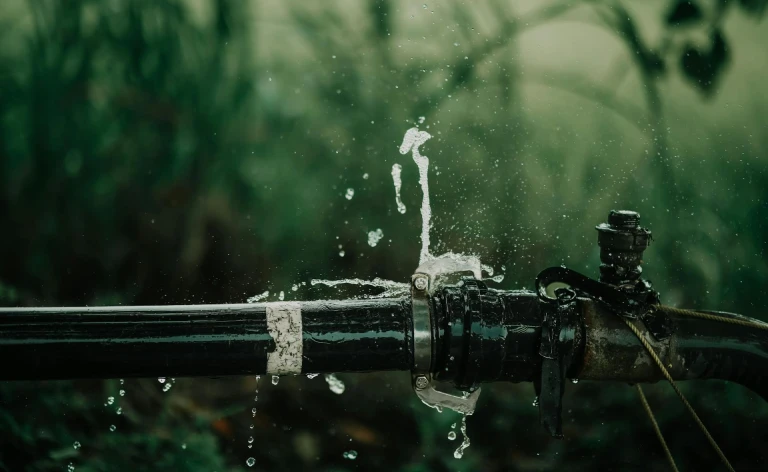
Image Source: Pexels
How to Spot Frozen Water Pipes
You know what’s behind frozen pipes. What to do next? You’ll want to identify freezing pipes before they cause further damage.
How to Tell If Pipes Are Frozen
Quick detection of frozen pipes is key here. Here’s how to tell if you have frozen pipes in the house:
- Lack of water or reduced water flow from one or more faucets (or other water fixtures)
- Unusual whistling, banging, or clanking noises coming from the pipes or behind the walls
- A visible bulge or crack on an exposed pipe
- Icy residue found on an exposed pipe
- A sewage smell coming from drains, which can signal a frozen or blocked drain line
| 🔧 Pro tip: The longer you wait, the bigger the potential damage. Once you notice one or a combination of these signs, contact an expert plumber immediately. Look for emergency plumbers who can come to your rescue 24/7 and advise you on what steps to take. |
How to Locate Frozen Pipes in Your House
One of the biggest issues for Ontario homeowners is identifying where frozen pipes are located within the house. With some patience and working knowledge of your home’s plumbing, you can narrow down the affected areas.
However, time is truly of the essence here: if left too long, frost can lead to cracks. It’s always wise to call an expert emergency plumber for a quick and safe resolution.
If you’d like to zero in on the frozen water pipes while the plumber is on the way, try these steps:
1. Eliminate Exposed Pipes from the List
An exposed pipe freezes first. Before proceeding to the next steps, check whether the ice blockage is visible in the feeder pipes or in any other bare pipes in your home. Cover any uncovered pipes near the affected faucet or shower.
Your exposed pipes are frozen if you see:
- Icy residues or condensation on the pipe
- A slight bulge along the pipe
2. Determine the Scope of the Problem
If you’re sure the problem isn’t in one of your home’s exposed pipes, turn on all the faucets and water fixtures in the house, and note which aren’t working. This is valuable information for your plumber, so whether you find the freezing pipes or not, this step pays off.
Here’s how to check for frozen pipes in the house:
- If all the faucets within a single room aren’t working, the pipe you’re looking for splits from the mainline on that floor.
- If all faucets and water fixtures on the same floor aren’t working, the frozen pipe would be where the water line for the first and second floors separates.
- If none of the faucets and water fixtures in the house are working, the frozen water is likely in the main water supply lines that feed the house.
Also, check whether you have any additional frozen pipes beyond the initial problem area. When one pipe freezes, nearby water lines running through the same cold zone, such as an uninsulated exterior wall, crawl space, or garage, are often at risk too.
3. Identify the Exact Location
Once you’ve narrowed down which pipe is likely affected, try to locate the exact frozen area. If you know where your home’s water pipes run, feel along the wall near those pipes. In some cases, there’ll be a palpable temperature difference in the wall surface near the frozen area.
| 🔧 Pro tip: Another possible way to detect frozen pipes is to check for areas where insulation may be lacking or damaged. Insufficient insulation can increase the risk of frozen pipes, so your frozen pipes are likely concentrated in areas that aren’t well-heated, including crawl spaces, exterior water lines, and uninsulated basement sections. |
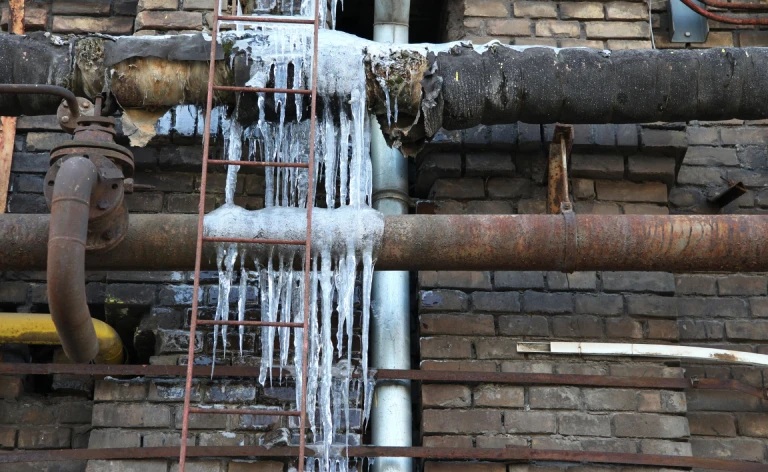
Image Source: Shutterstock
What to Do About Frozen Water Pipes
You’ve identified your frozen pipes. What to do now? This section covers how to safely handle frozen water pipes.
Should I Turn Off the Water If the Pipes Are Frozen?
Yes, we recommend turning off your main water supply if you have frozen water pipes. This helps relieve pressure in the pipes and reduces the risk of cracking or bursting from ice expansion.
After shutting off the water, check your pipes for any visible damage. If you see cracks or holes, call a plumber right away. They can safely thaw the pipes and fix any damage to prevent costly repairs.
Note: Once your plumber arrives, they may locate the frozen section of pipes and turn on the faucet connected to that pipe. While this may seem counterintuitive, shutting off the main water source prevents pressure buildup, while opening the faucet allows water to flow out of the pipe once it thaws.
→ Learn more: How to Turn off Outside Water for Winter
Should You Thaw Frozen Pipes?
We don’t recommend DIY thawing of frozen pipes, especially inside the walls. Most homeowners can’t locate them accurately. Plus, even with the right thawing methods in place, focusing on the wrong spot can lead to costly mistakes.
However, if you can’t secure a plumber yet or are waiting for one to arrive, you can try thawing frozen pipes yourself. These methods usually work best on exposed pipes where you can apply heat directly.
For indoor plumbing, it’s best to secure emergency plumbing services.
How to Unfreeze Pipes Safely
Turn Up Your Thermostat
Turning up the thermostat temperature circulates warm air through the home and can help thaw frost from pipes. It’s best to use this solution straight away after detecting frozen pipes. This heats the entire house, so you don’t need to pinpoint the exact location of the problem.
That said, this probably won’t work for outdoor pipes or those in uninsulated areas.
Apply Direct Heat
Thawing a frozen pipe is more straightforward when it’s exposed. However, if the frozen pipe is inside a wall, you may need to expose it, which should only be a last resort. Do this only if you’re certain of the pipe’s location and cannot contact a plumber.
Some homeowners opt to cut into the wall rather than risk water damage when the pipe bursts. If you decide to expose the frozen pipe or if it’s already accessible, you can safely use one of the following methods to apply direct heat to the frozen area and thaw it:
- An electric heating pad or blanket
- A heat lamp or infrared lamp
- Automatic electrical heat tape with rubber insulation
- A heat cable wrapped around the pipe
- A space heater positioned near the frozen area
- Towels soaked in hot water wrapped around the pipe
- A hair dryer held several centimetres from the pipe
For best results, use any of these methods in conjunction with raising the thermostat if the pipe is indoors.
| 🔧 Pro tip: In any of the above thawing methods, keep the affected faucet or water fixture open to allow pressure to escape as the ice blockage melts. When you see water flowing freely again, you’ll know the thawing-frozen-pipes method is working.
Also, keep all faucets in the house slightly cracked open to reduce pressure buildup in the water supply. |
Caution: What to Avoid
Anything that involves a direct flame, flammable materials, or any other open flame device should be avoided entirely. Using a blowtorch or similar tool near pipes or walls is a serious fire hazard and can also destroy your pipes.
You also shouldn’t use a heat gun.
When to Call a Professional Plumber
While DIY solutions can help in a pinch, the safest way to deal with frozen pipes in the house is to call a professional. You should try to thaw frozen pipes on your own only as a last resort, or while waiting for a plumber to arrive.
Here are some signs you need to call a professional plumber:
- You can’t find the frozen pipe
- You’re not confident in your handyman skills and are unsure how to unfreeze the pipes safely
- You suspect a bigger problem, such as aging pipes in an older home that may not withstand the pressure
- You notice small surface cracks, bulging, or signs that a pipe burst may be imminent
If any of these situations apply to you, it’s best to contact a reliable plumbing service. They’ll have the expertise and specialized tools to handle frozen or burst pipe repair quickly and safely.
| 🔧 Pro tip: Choose reliable plumbers who can provide long-term solutions, not just quick fixes. Experienced local professionals like PlumbWize can not only fix your frozen pipes but also advise on proper pipe insulation or upgrades to help you prevent future problems. |
How to Prevent Frozen Pipes in the Future
No one wants to deal with frozen pipes. Here are some proactive steps Ontario property owners can take to keep pipes from freezing before the cold weather sets in:
- Turn off and drain water from your outdoor faucets, garden hoses, and exterior water lines before winter arrives. These fixtures are the most prone to freezing once temperatures drop.
- Insulate water pipes in vulnerable areas: uninsulated attics, basements, crawl spaces, and along exterior walls. Options include foam pipe sleeves, heat tape, or electrical heat tape with rubber insulation.
- Use a heat cable along water supply lines that run through especially cold zones, such as an uninsulated garage wall or exterior-facing cabinet.
- Open kitchen and bathroom cabinet doors under sinks to allow warm air to circulate around the pipes and prevent freezing during cold snaps.
- Keep the thermostat set to at least 12°C in your home, even when you’re away.
- If you’re leaving for an extended period, turn off and drain all water fixtures in the house. Don’t forget to check the water meter area as well.
- Keep the garage doors closed when not in use, and seal all doors (including garage doors) and windows with caulk or weather strips to block cold drafts.
- Check for and repair any insulation gaps near exterior walls, the water meter, and crawl spaces where cold air tends to penetrate most.
→ Learn more: 7 Tips to Prevent a Frozen Sewer Line
Frequently Asked Questions About Frozen Pipes
What should I do if my pipes are frozen?
Will frozen pipes thaw on their own?
Should I turn off the water if my pipes are frozen?
How long does it take for frozen pipes to thaw?
Key Takeaways
- Frozen pipes in the house are most likely to occur when indoor temperatures drop to -4°C or below. Act fast to avoid costly burst pipe repairs.
- Turn off your main water supply as soon as the pipes freeze, then open all faucets slightly to relieve pressure while you wait for a plumber.
- Safe thawing methods for exposed pipes include a hair dryer, space heater, heat lamp, electric heating pad, or electrical heat tape, but never use an open flame device.
- Prevent frozen pipes by insulating water pipes in crawl spaces, attics, and along exterior walls using foam pipe sleeves, heat tape, or a heat cable.
- Keeping garage doors closed, sealing cold drafts, and maintaining a minimum indoor temperature of 12°C are simple steps that keep pipes from freezing all winter long.
- When in doubt, call a trusted 24/7 emergency plumber; frozen pipes inside walls or water supply lines are not a DIY job.
Call PlumbWize and Don’t Let Frozen Pipes Catch You Off Guard
When you spot signs of frozen pipes, act fast.
Delays can lead to cracked pipes, burst water lines, and costly water damage repairs. PlumbWize is here to help Ontario homeowners with trusted, experienced plumbing services in Burlington, Oakville, Hamilton, Milton, Ancaster, and Stoney Creek.
Why choose PlumbWize?
- Lightning-fast response times
- 24/7 availability for plumbing emergencies
- Over 60 years of combined experience in residential and commercial plumbing
- Upfront and affordable costs with no hidden fees
- Comprehensive plumbing solutions, including pipe thawing, frozen or burst pipe repair, and full pipe replacement
Don’t let frozen pipes give you the cold shoulder. Thaw your plumbing problems with PlumbWize. Give us a call for your urgent plumbing needs.

Zak and Jay
OwnerZak and Jay are licensed plumbers proudly serving Burlington, Oakville, and Hamilton areas. With over 20 years of experience each, they specialize in residential and commercial plumbing solutions, including general repairs, drain cleaning, new installations, and 24/7 emergency services. As certified professionals, Zak and Jay are committed to providing reliable, honest, and high-quality workmanship. Their dedication to customer care has earned them a reputation as trusted plumbing experts in the Burlington, Oakville, and Hamilton area.

 0
0 905-332-8222