


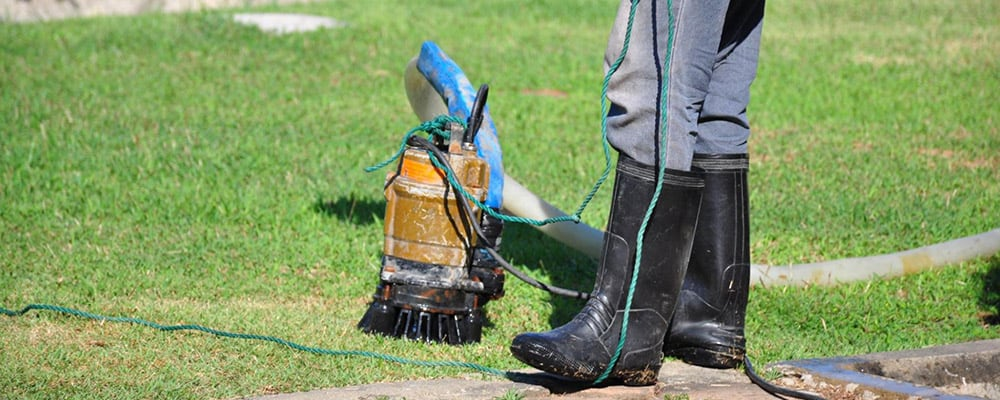
How to Clean a Sump Pump
To clean a sump pump, unplug it, remove it from the pit, and clear out debris. Scrub with a diluted vinegar solution, rinse with a garden hose, then reinstall and test the float switch. Repeat every six months, or after heavy rain or snowfall.
Ever notice your sump pump only crosses your mind during a downpour, right when you’re crouched by the basement stairs, hoping it kicks on? For most Ontario homeowners, that’s exactly how “how to clean a sump pump?” becomes an urgent question instead of a routine one.
Here’s the thing: a sump pump only springs into action when water rises. If it’s clogged with grit and gunk, it can’t do its job. A little regular cleaning keeps it ready for when your basement needs it most.
And if it turns out your pump has more than dirt going on, that’s when it’s time to call in the pros at PlumbWize.
| How to Clean a Sump Pump |
Getting to Know Your Sump Pump System [For Beginners]
Before you clean a sump pump, it helps to know what you’re actually working with and how it works.
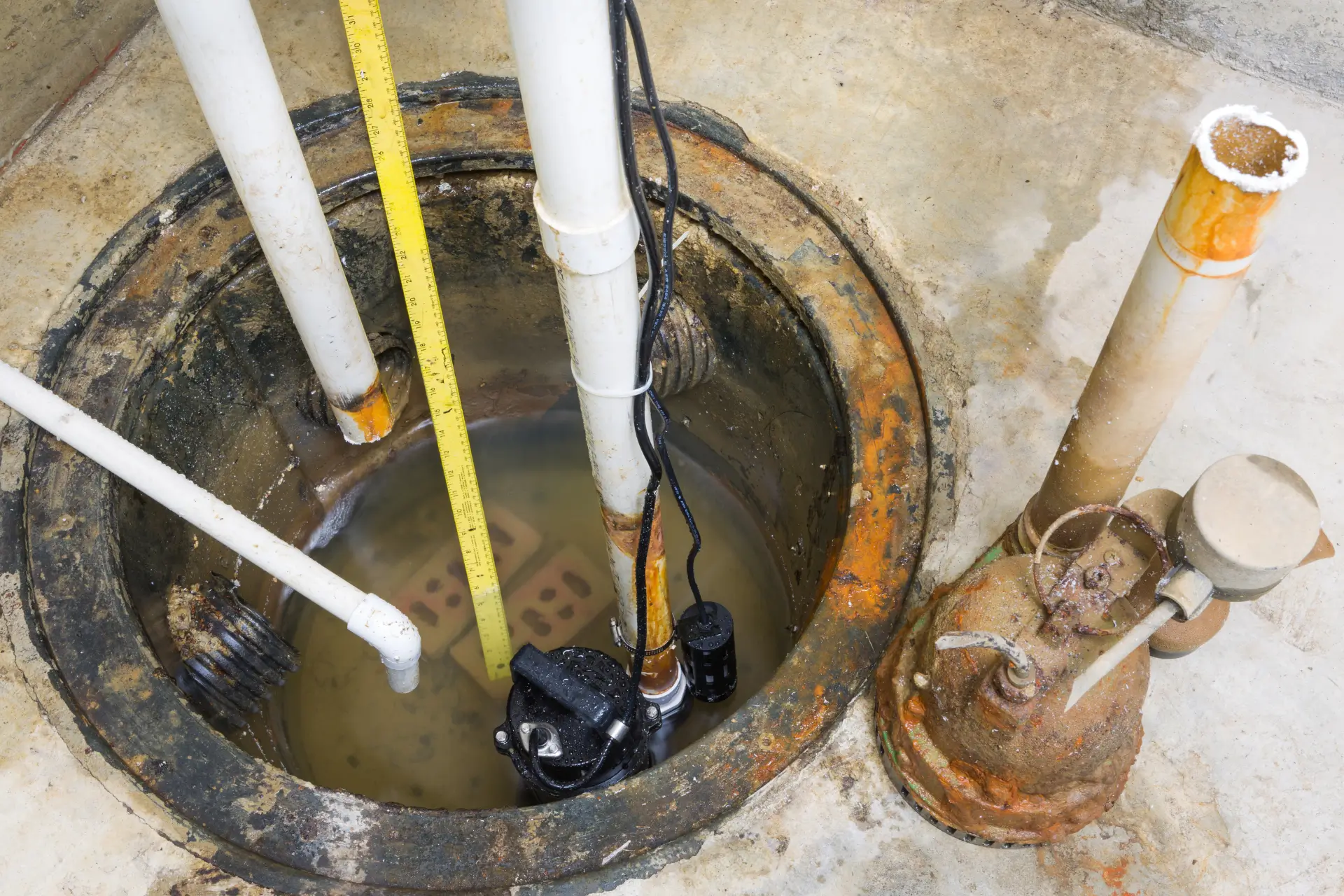
Most homes have one of two types: a submersible sump pump, with its motor sealed inside the pit, or a pedestal sump pump, with its motor mounted above the pit on a stand.
Submersible units run quieter and stay out of sight, while pedestal units are easier to service since the motor stays dry. Either way, the parts you’ll be cleaning are the same, just arranged a little differently.
Here’s what you’re working with:
- Sump pit: also known as the sump basin; the dug-out portion of the basement that collects water. Typically connected to a network of weeping tiles that divert water into this basin, ready to be expelled by the sump pump.
- Sump pump: the appliance itself that sits inside the sump pit, connected to the discharge pipe.
- Power source: supplies electricity to the sump pump.
- Float switch: the part that tells the pump when to turn on. As water rises in the pit, the float switch rises with it, and once it hits a certain point, the pump kicks on automatically.
- Motor and the impeller: these work together to push water up and out through the discharge pipe.
- Discharge pipe: the pipe that carries water away from your home. It should extend 10 feet or more from the house so the water doesn’t just pool right back around your foundation.
A sump pump isn’t a one thing to wipe down; it’s a small system, and missing a spot (like a float switch buried under debris) is usually exactly why a pump ends up running constantly, or not at all.
Source: Canva
How to Clean a Sump Pump
Cleaning both the pump and the pit takes about 30 to 45 minutes and just five things: a bucket, vinegar, warm water, a garden hose, and a plastic scraper. Here’s exactly how to do it, from taking the pump out of the pit to putting it back to work.
Before You Start
- Turn off the sump pump and make sure no one’s running anything that drains into the pit, like the washing machine.
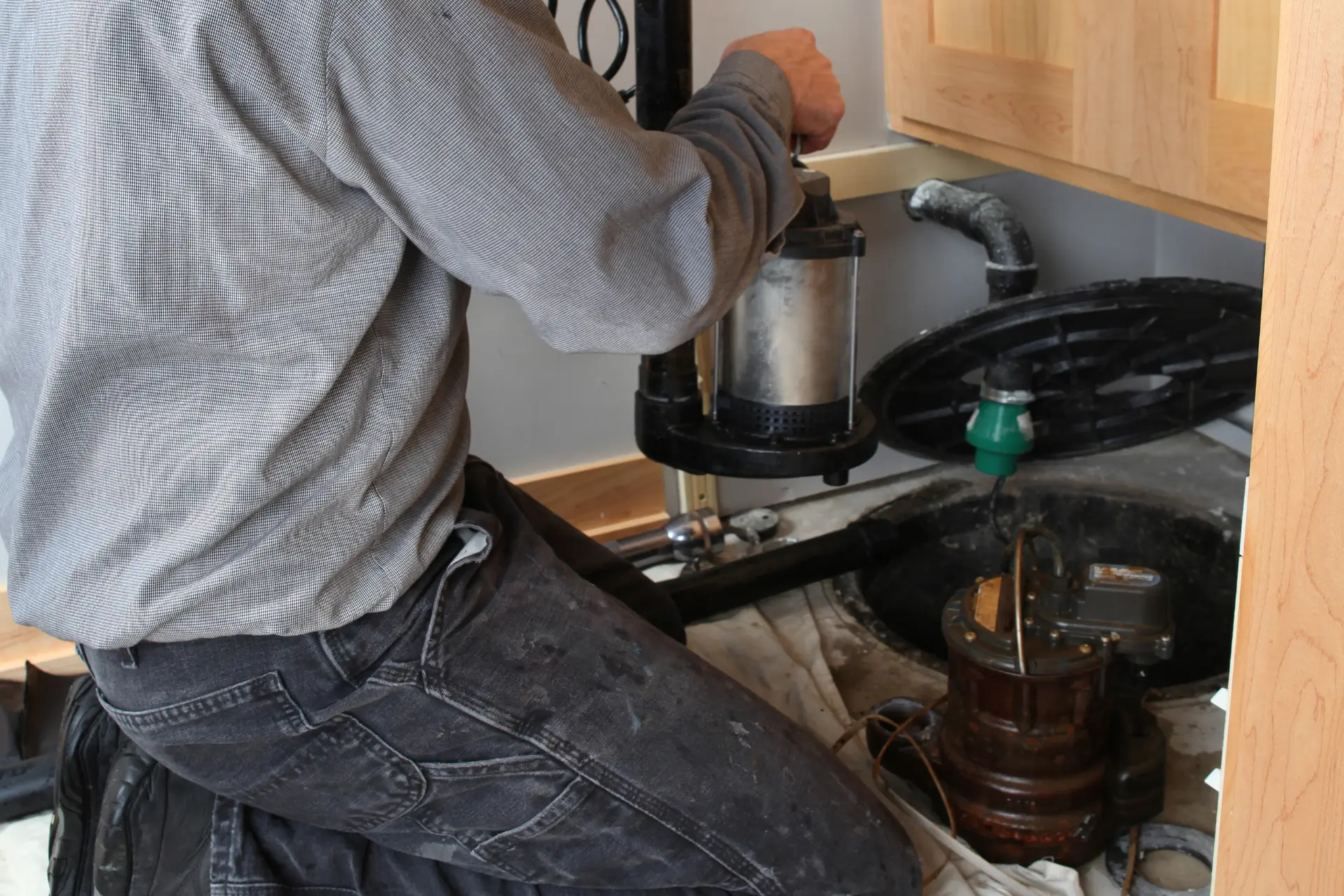
- Take the sump pump out of the sump pit. Wear protective gloves.
- Sweep out any solid debris in the pit, like twigs, gravel, and leaves.
Cleansing the Pit, Pump and Discharge Line
- Mix a vinegar solution in a bucket (one part vinegar to two parts warm water).
- Pour the solution into the pit and let it sit for 20 minutes.
- While it soaks, take the pump outside and rinse with a garden hose.
- Use a plastic scraper or putty knife to work off any caked-on debris. Don’t disassemble the unit to do this.
- Rinse the pump once more.
- Put the pump back in the pit and reconnect it to the discharge pipe. Don’t plug it in yet.
|
⚠️ Safety note: Keep the power off the entire time your hands are in the pit or near the pump. Only plug it back in once your hands are completely clear and the power cord is fully dry. |
- Check that the power cord is completely dry, then plug the unit back in.
- Since the pit is still full, the pump will kick on and push the vinegar solution out through the discharge pipe, cleaning the whole system as it drains.
Rinsing It All Out
- Once the pit empties, check for any leftover debris. If there’s still some, unplug the pump, take it back out, and clear it with a wet vacuum.
- Rinse the whole system with about two gallons of clean water.
- While you’re rinsing, check that the float switch moves freely and that the pump shuts off once the water’s gone.
Do’s and Don’ts of Sump Pump Maintenance
The short version: clean the whole system every six months, keep the power off while your hands are in the pit, and skip anything harsher than diluted vinegar.
Do’s:
- DO clean your sump pump at least every six months. This helps slow down the wear and tear of your unit.
- DO clean the sump pump along with the sump pit and the discharge pipe. They all function as one system.
- DO disconnect the sump pump from the power supply whenever you reach for it with your hands.
- DO keep the power disconnected anytime your hands are in the pit or near the pump. Only plug back in once your hands are clear and all cords are fully dry.
Don’ts:
- Don’t run anything that drains into the pit while you’re cleaning it, like the washing machine.
- Don’t use detergent. It builds up on the impeller and can damage it over time.
- Don’t use concentrated bleach or vinegar. Always dilute with water first.
- Don’t disassemble the unit to clean it.
- Don’t plug the pump back in until your hands are out of the pit and the cord is fully dry. Water and a live cord is the one combination to avoid here.
Source: Canva
Should You Clean or Replace Your Sump Pump?
Under normal conditions, cleaning your sump pump every six months is enough to keep it running well. If you’ve just had heavy rain or snowmelt, though, it’s worth checking sooner. An uncovered or exposed pit collects debris a lot faster, so those extra sump pump maintenance checks can save you a headache down the road.
But cleaning only goes so far for a pump that’s simply getting old. Most sump pumps last seven to 10 years, and like any hardworking appliance, they slow down near the end of the pump’s lifespan, no matter how well you maintain them.
If yours is running constantly, sounding louder than usual, or needing repairs more than once a year, that’s less a cleaning problem and more a replacement one.
If that sounds familiar, it’s worth having a licensed plumber do a professional inspection before the next storm catches you off guard. Getting the install right the first time makes a real difference in how long a new unit lasts. Here’s exactly where PlumbWize comes in.
We’re locally owned and operated, serving Hamilton, Burlington, Oakville, and Milton, with same-day service and 24/7 emergency plumbing for whenever a pump fails at the worst possible time.
FAQs About Cleaning a Sump Pump
How often should you clean a sump pump?
Can you use vinegar to clean a sump pump?
How do I know my sump pump needs cleaning?
How long do sump pumps last?
In Summary
- Clean your sump pump every six months under normal conditions, and check it sooner after heavy rain or snowmelt.
- Use a diluted vinegar solution (one part vinegar to two parts warm water). Skip detergent and concentrated bleach; they can damage the impeller.
- Keep the power off the whole time your hands are in the pit. Only plug it back in once your hands are clear and the cord is completely dry.
- Clean the pump, pit, and discharge line together; they work as one system.
- Check the float switch after every cleaning to make sure it moves freely, and the pump shuts off once the water’s gone.
- If your pump is past seven to 10 years old, or you’re cleaning it more often just to keep it running, it’s likely time for a replacement rather than another cleaning.
Get Help From a Local Sump Pump Expert
Learning how to clean a sump pump is a job most Ontario homeowners can handle on their own, but if yours needs more than a scrub, that’s a job for a professional.
PlumbWize has been installing, repairing, and replacing sump pumps for homeowners across Hamilton, Burlington, Oakville, and Milton for years, with same-day sump pump service and upfront pricing so there are no surprises on the bill.
If your pump keeps failing, sounds off, or you’d prefer a licensed plumber to install a new one from the start, get in touch with our team. And if it happens in the middle of a storm, our 24/7 emergency plumbing line is ready whenever you need it.

Zak and Jay
OwnerZak and Jay are licensed plumbers proudly serving Burlington, Oakville, and Hamilton areas. With over 20 years of experience each, they specialize in residential and commercial plumbing solutions, including general repairs, drain cleaning, new installations, and 24/7 emergency services. As certified professionals, Zak and Jay are committed to providing reliable, honest, and high-quality workmanship. Their dedication to customer care has earned them a reputation as trusted plumbing experts in the Burlington, Oakville, and Hamilton area.

 0
0 905-332-8222