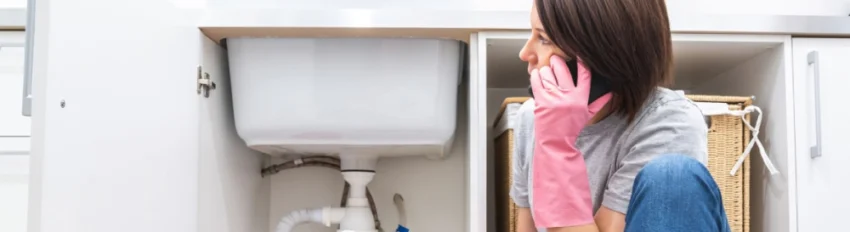
To fix a leak under your kitchen sink, find the source (faucet, drainpipe, water supply valve, supply lines, or sink strainer), tighten loose connections by hand, and replace worn parts as needed. If the leak persists or supply lines are over five years old, call a plumber.
A kitchen sink leaking in your home is a surefire way to waste water and drive up your utility bill. Read More
To clean a sump pump, unplug it, remove it from the pit, and clear out debris. Scrub with a diluted vinegar solution, rinse with a garden hose, then reinstall and test the float switch. Repeat every six months, or after heavy rain or snowfall.
Ever notice your sump pump only crosses your mind during a downpour, right when you’re crouched by the basement stairs, hoping it kicks on? Read More
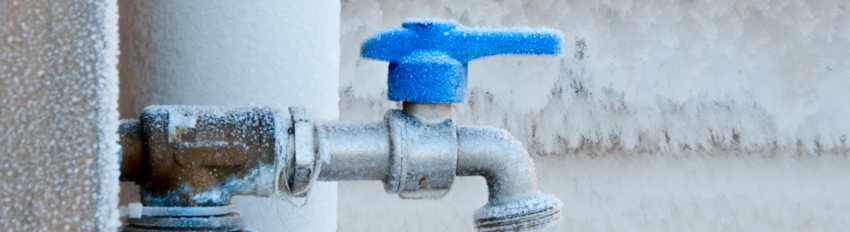
Frozen pipes occur when temperatures drop below 0°C, and trapped water expands as it freezes. Signs include no water flow or frost on exposed pipes. Turn off your main water supply and call a licensed plumber; never use an open flame to thaw.
Winter is upon us, and Ontario homeowners know that freezing temperatures can wreak havoc on water pipes. Read More
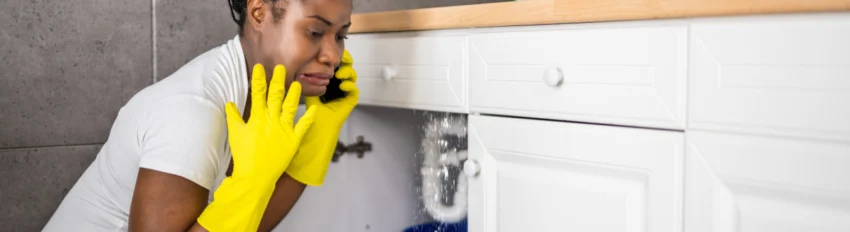
A leaking pipe can be temporarily stopped with a pipe clamp, epoxy putty, self-fusing silicone tape, or a rubber hose clamp. These are emergency repairs only. All pipe leaks require a permanent fix by a licensed plumber to prevent water damage and further pipe failure.
A leaking pipe can be migraine-inducing for any Ontario homeowner. Read More
No hot water in the house is likely due to a water heater fault, tripped circuit breaker, failed pilot light, or sediment buildup. Check your breaker panel and water heater for troubleshooting. If the problem persists or you smell gas, call a licensed plumber immediately.
Hot water not coming out of the tap? We’ve all been there. Read More



 0
0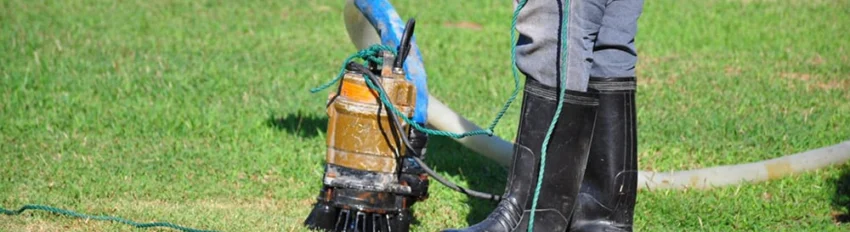

 905-332-8222